

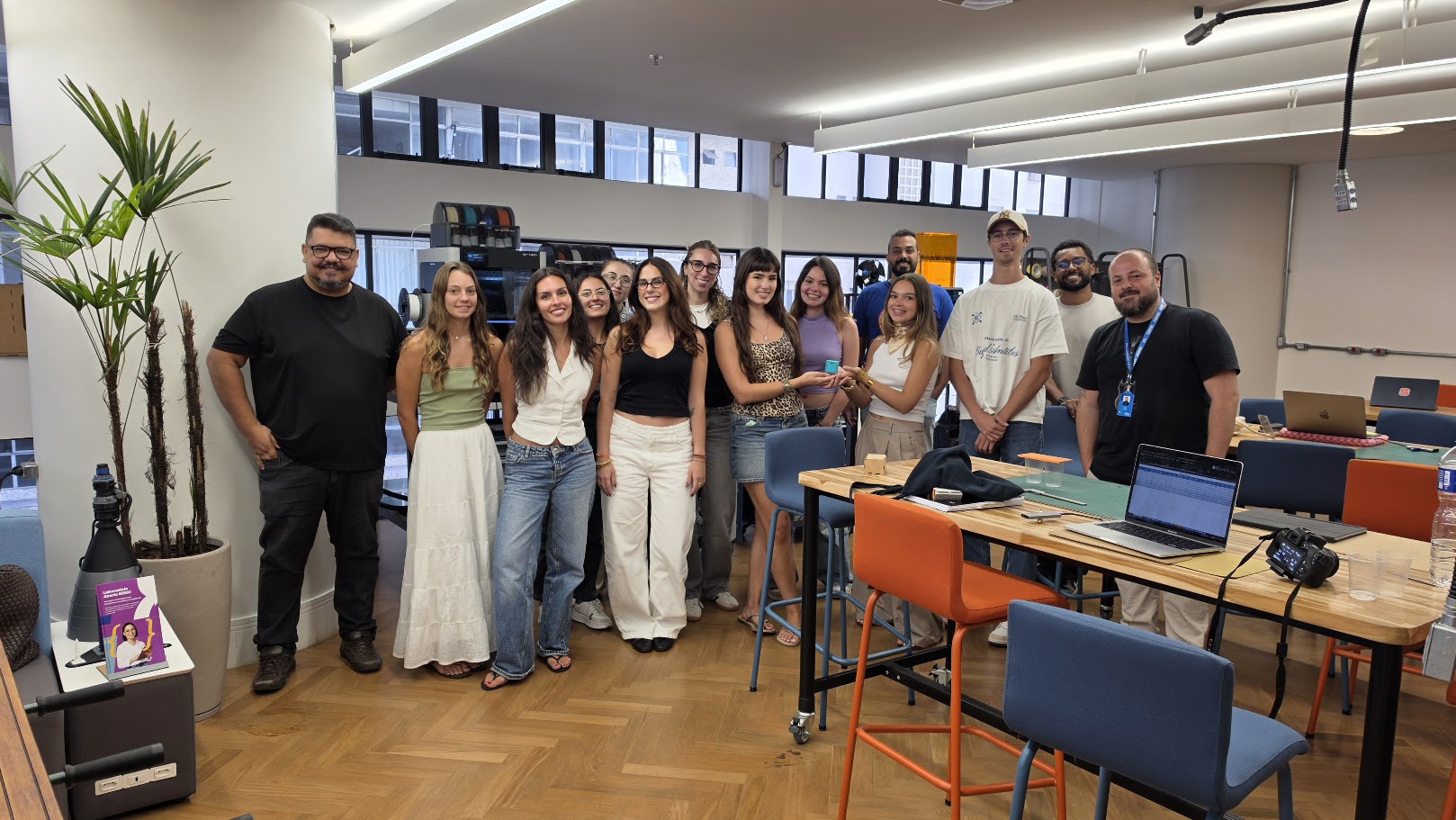
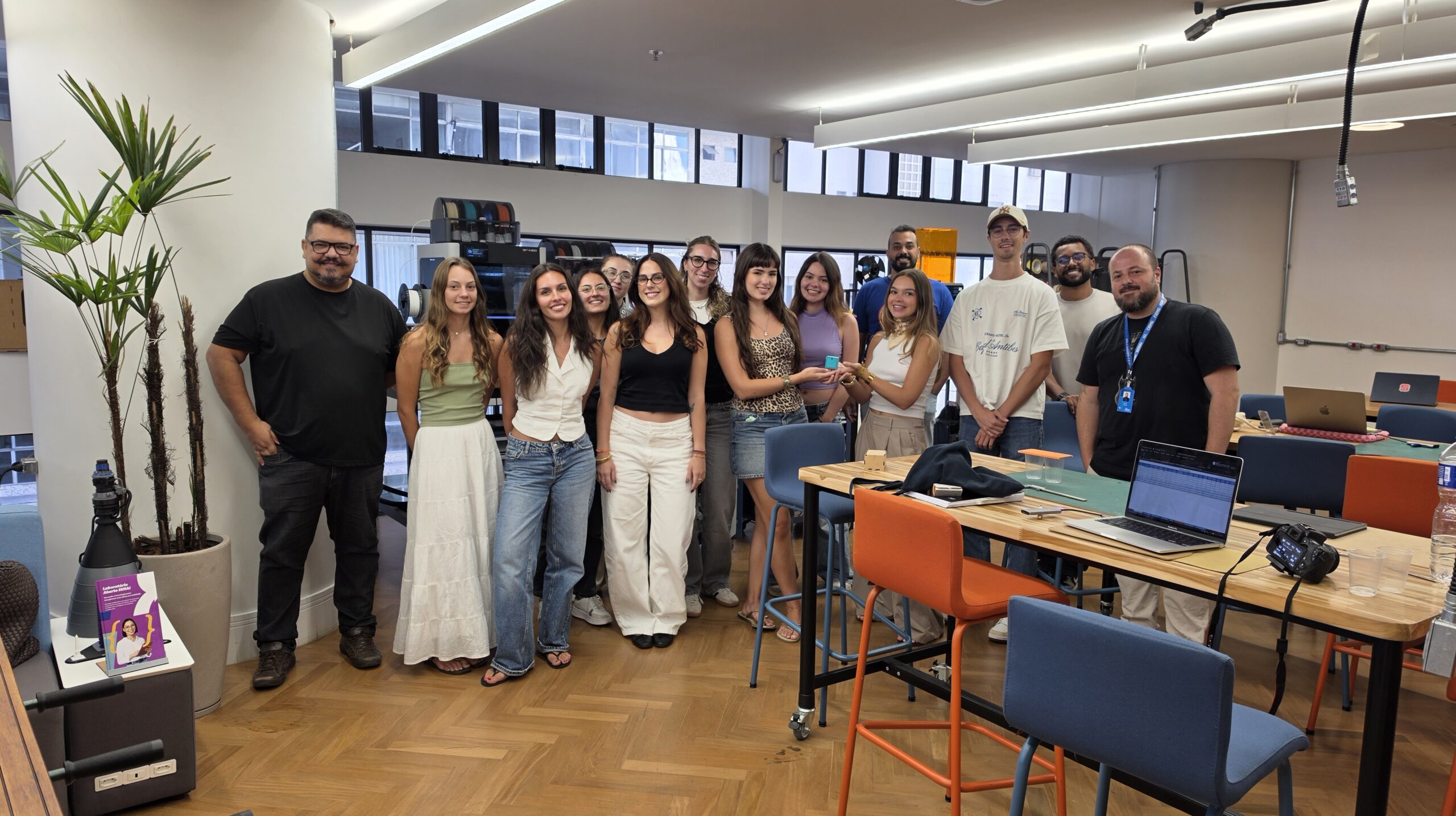
On March 24, 2026, students from the Product Management and Operational Marketing course in the MSc International Marketing and Business Development (IMBD) at SKEMA Business School took part in a technical visit to FabLab FIEMG in Belo Horizonte. Held from 1:00 p.m. to 5:00 p.m., the activity was designed to give students a practical experience in product prototyping and development, allowing them to transform concepts into tangible solutions through digital fabrication tools and processes.
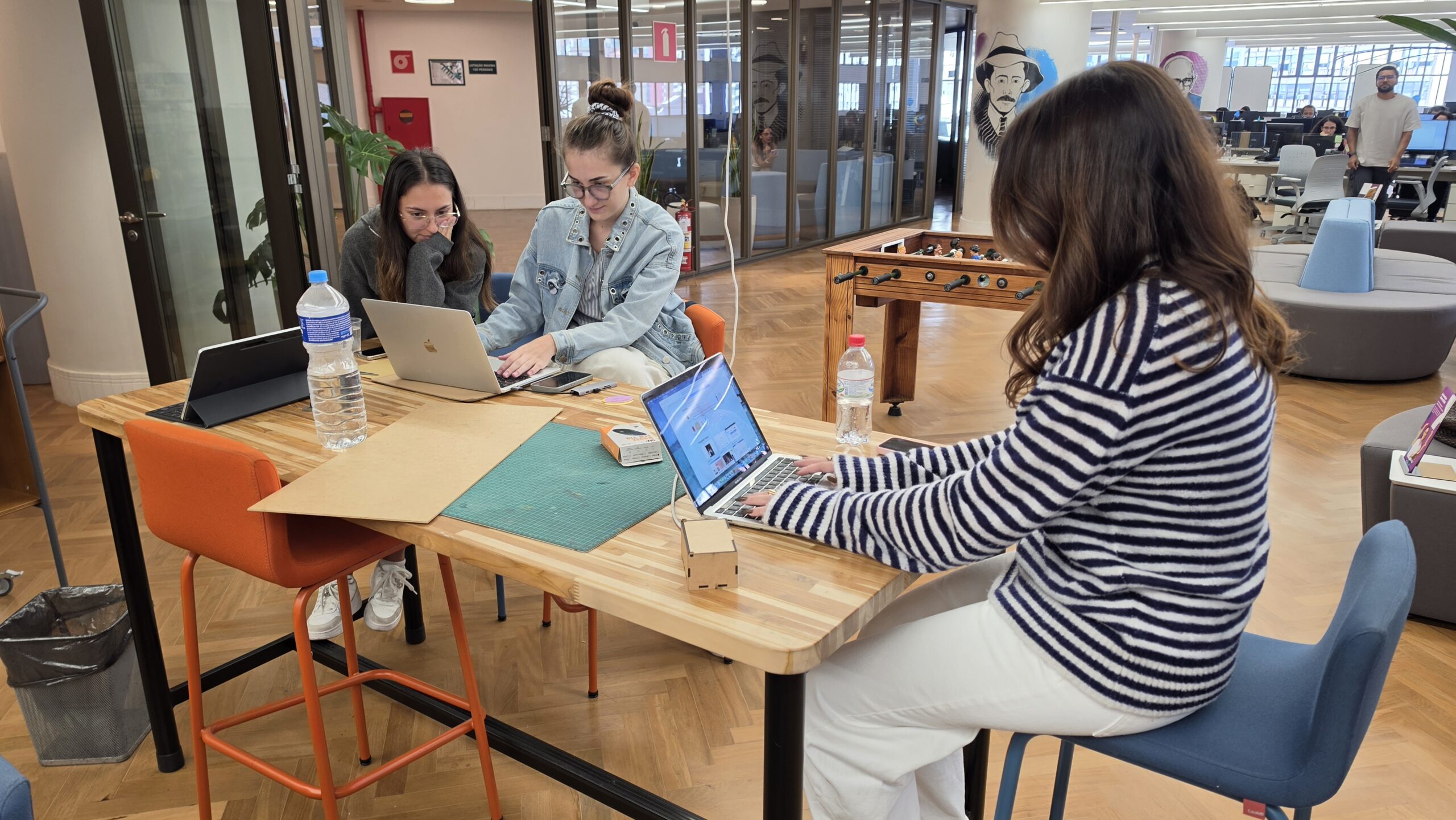
The visit offered students a valuable opportunity to move beyond the classroom and engage directly with one of the most important stages of innovation: turning ideas into workable prototypes. By working in a real fabrication environment, students were able to test, adjust, and refine their projects while gaining a better understanding of how design decisions interact with manufacturing constraints, usability requirements, and implementation challenges.
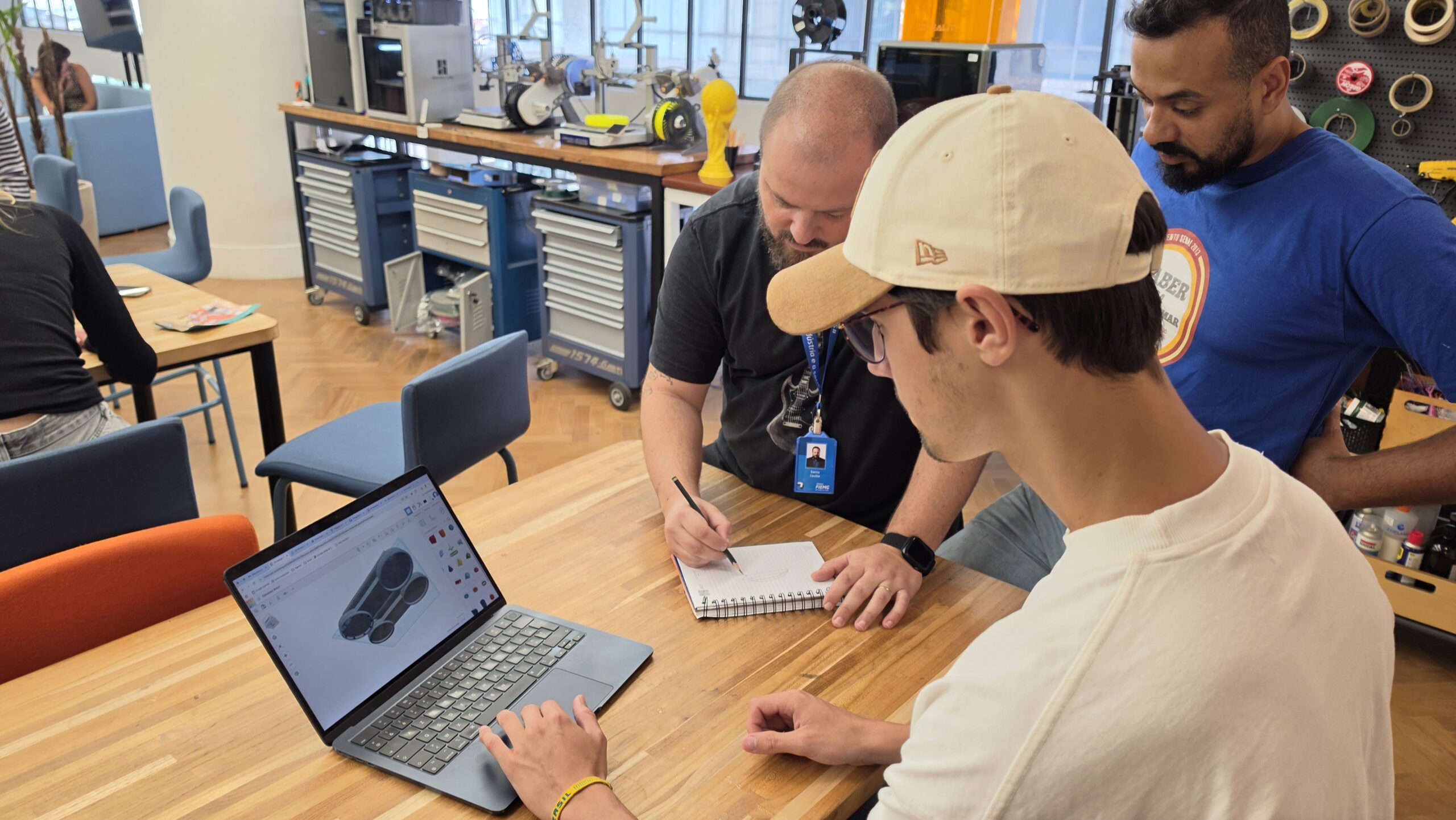
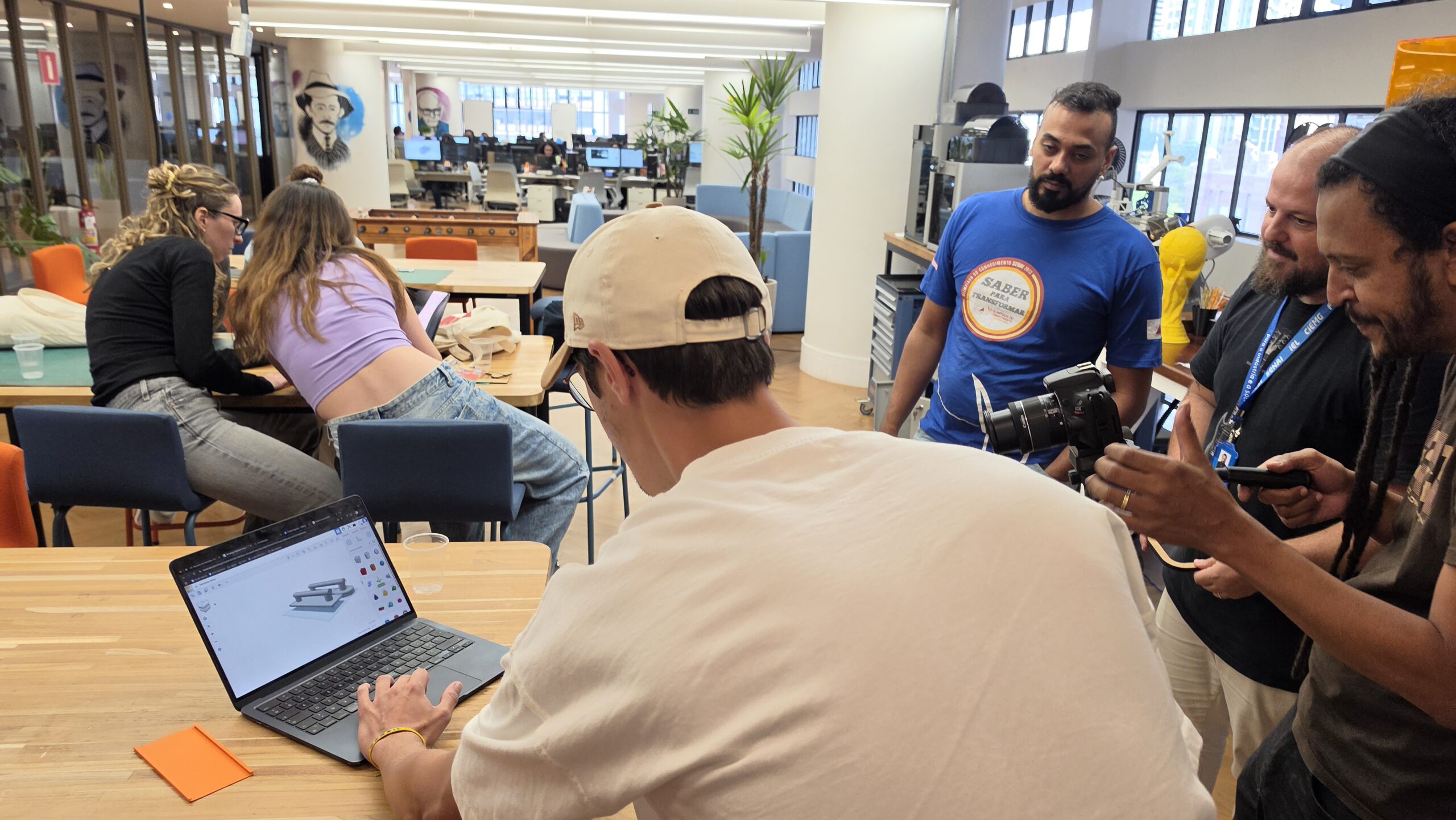
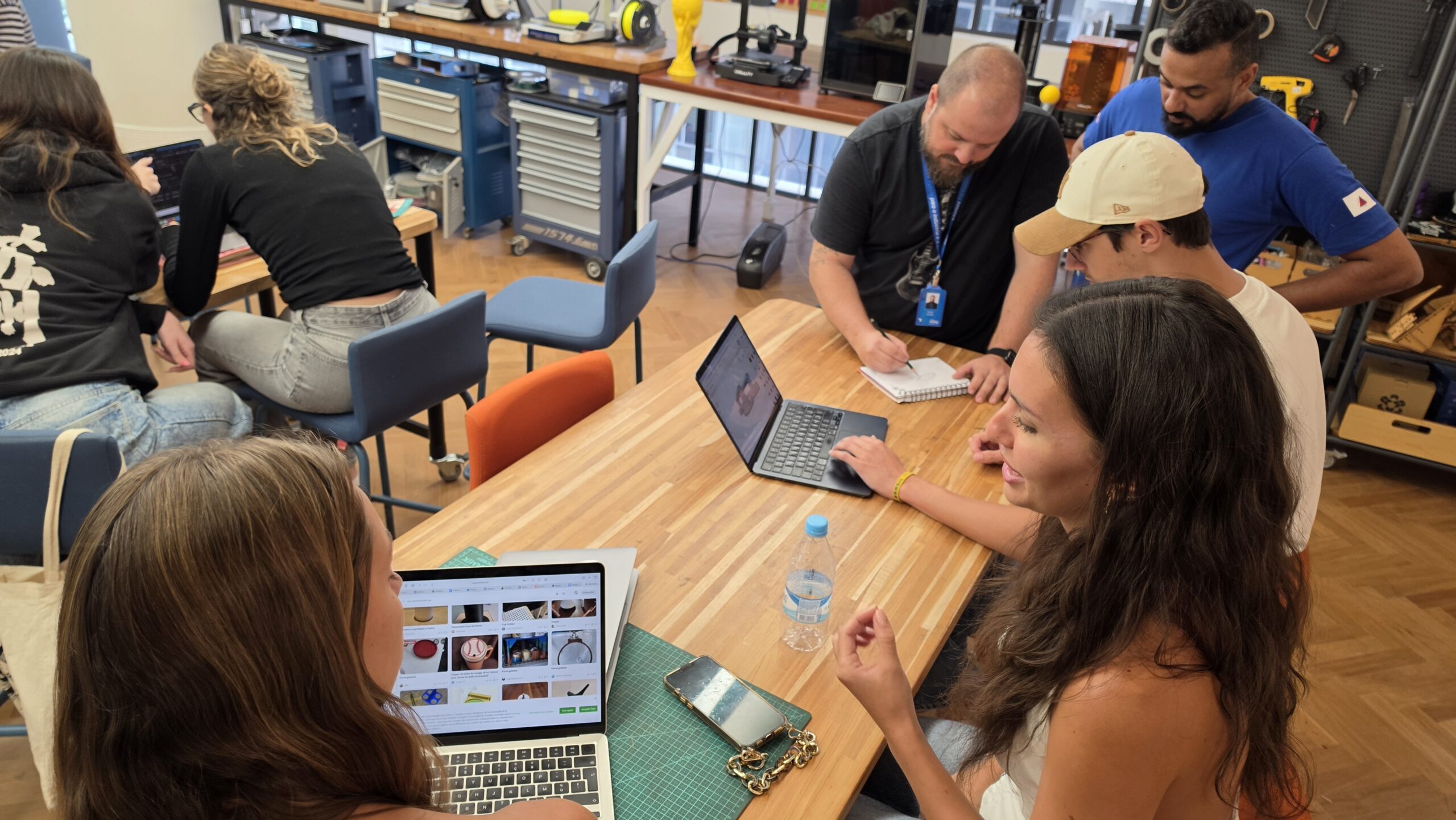
The activity was made possible with the support of Luiz Santana Cecília, coordinator of FabLab FIEMG, who welcomed the group and followed the session closely. The students also benefited from the outstanding support of the FabLab technical team, who assisted throughout the entire experience by answering questions, helping prepare files, guiding equipment use, and supporting critical adjustments during the prototyping process.
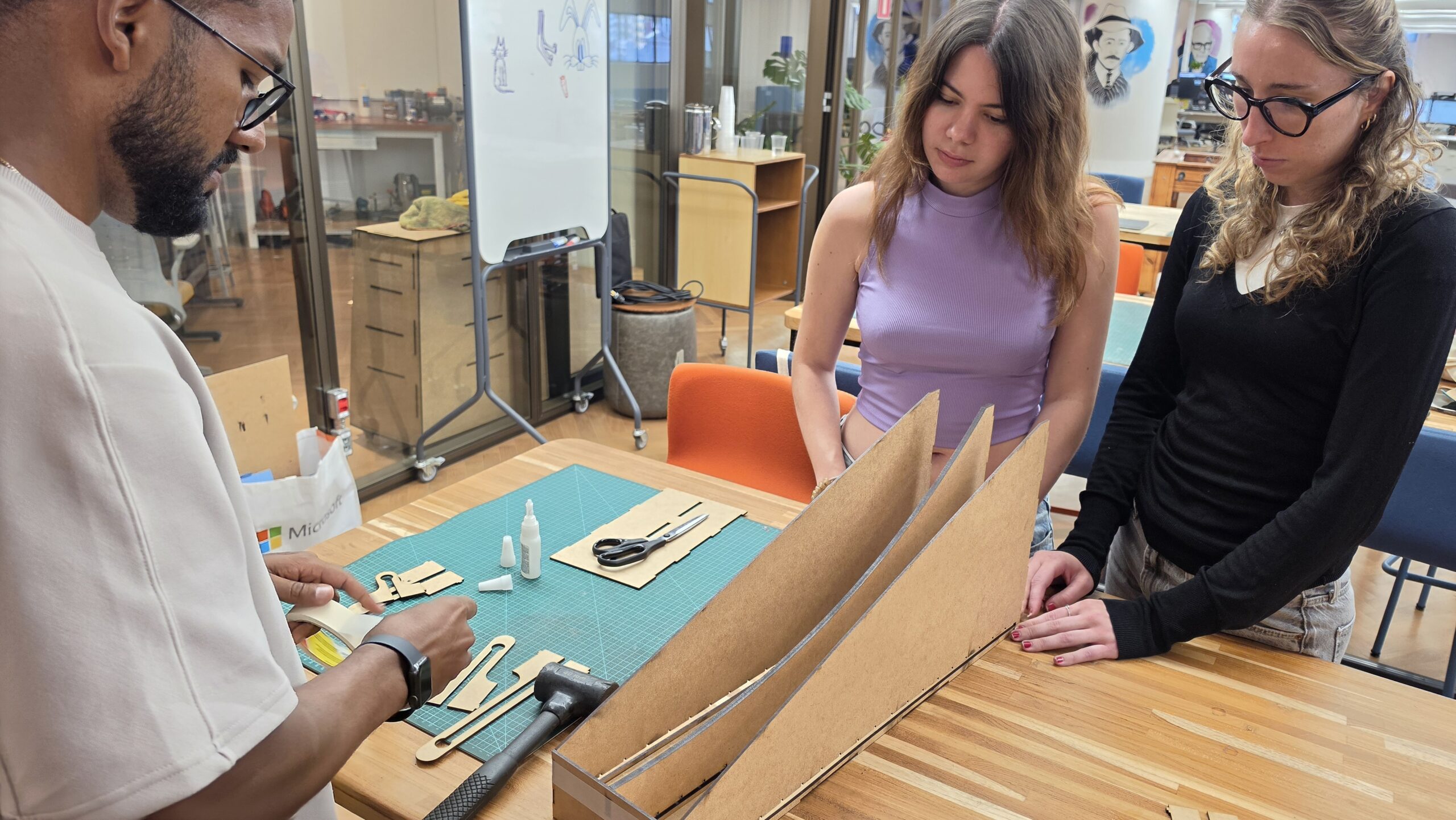
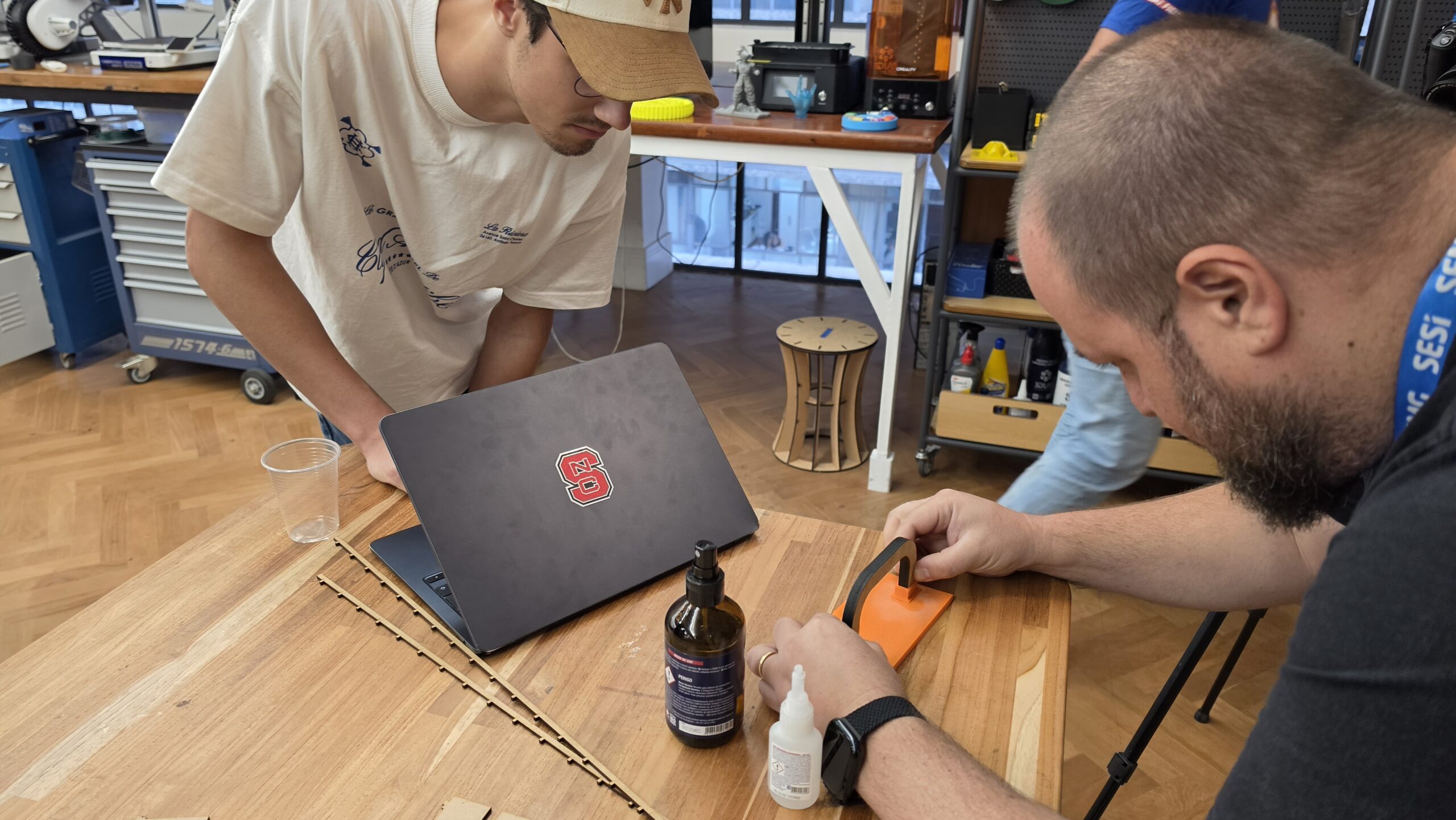
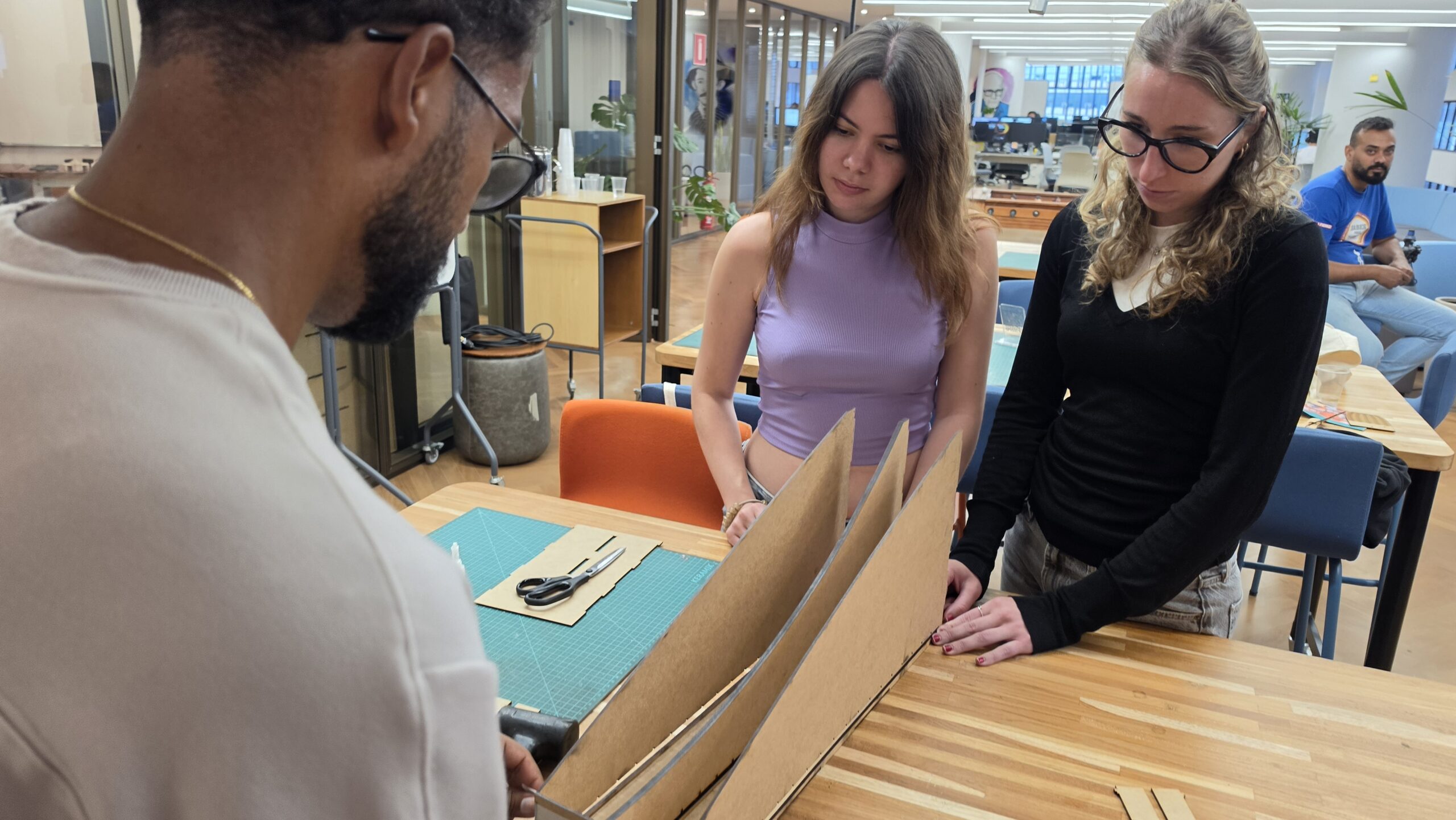
During the visit, students experienced key stages of the product development cycle in practice. These included adapting designs for fabrication, testing dimensions and fittings, selecting materials, assembling components, and conducting initial usability and feasibility checks. The pedagogical objective was to connect theory and practice while reinforcing essential skills such as applied innovation, multicultural teamwork, decision-making, and experiential learning.
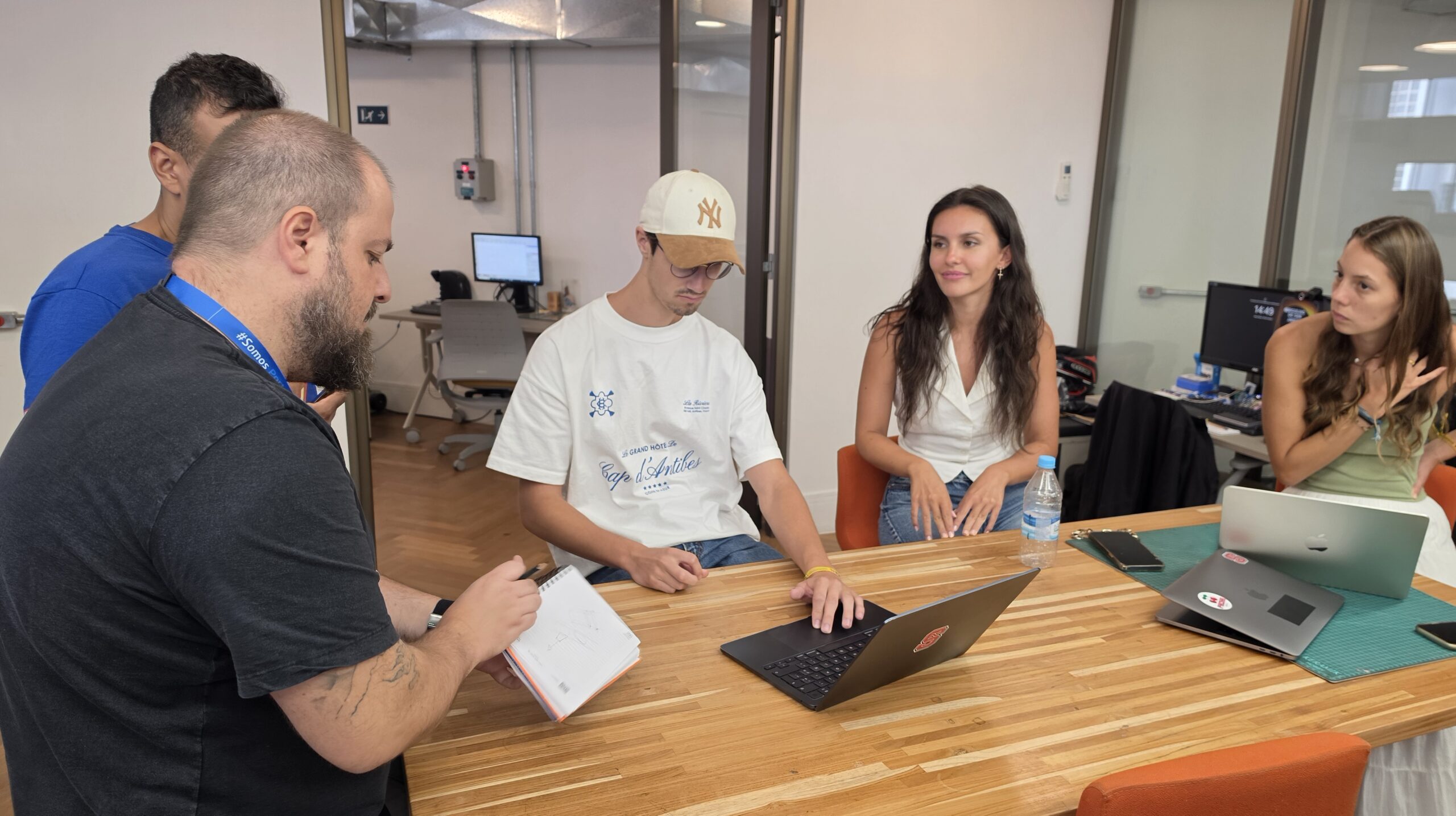
The class was divided into groups, and each team worked on a challenge inspired by a real company. The projects were designed around plausible business problems and required students to consider feasibility, performance, and implementation. Each concept focused on creating an applied and prototype-ready solution for a different context:
- Mercado Livre – “Damage Zero”
This team developed a packaging and protection system aimed at reducing damage and returns during the transportation of small electronics. The challenge was to combine resistance, standardization, and logistical efficiency in a practical solution. - Drogasil – “MediDose”
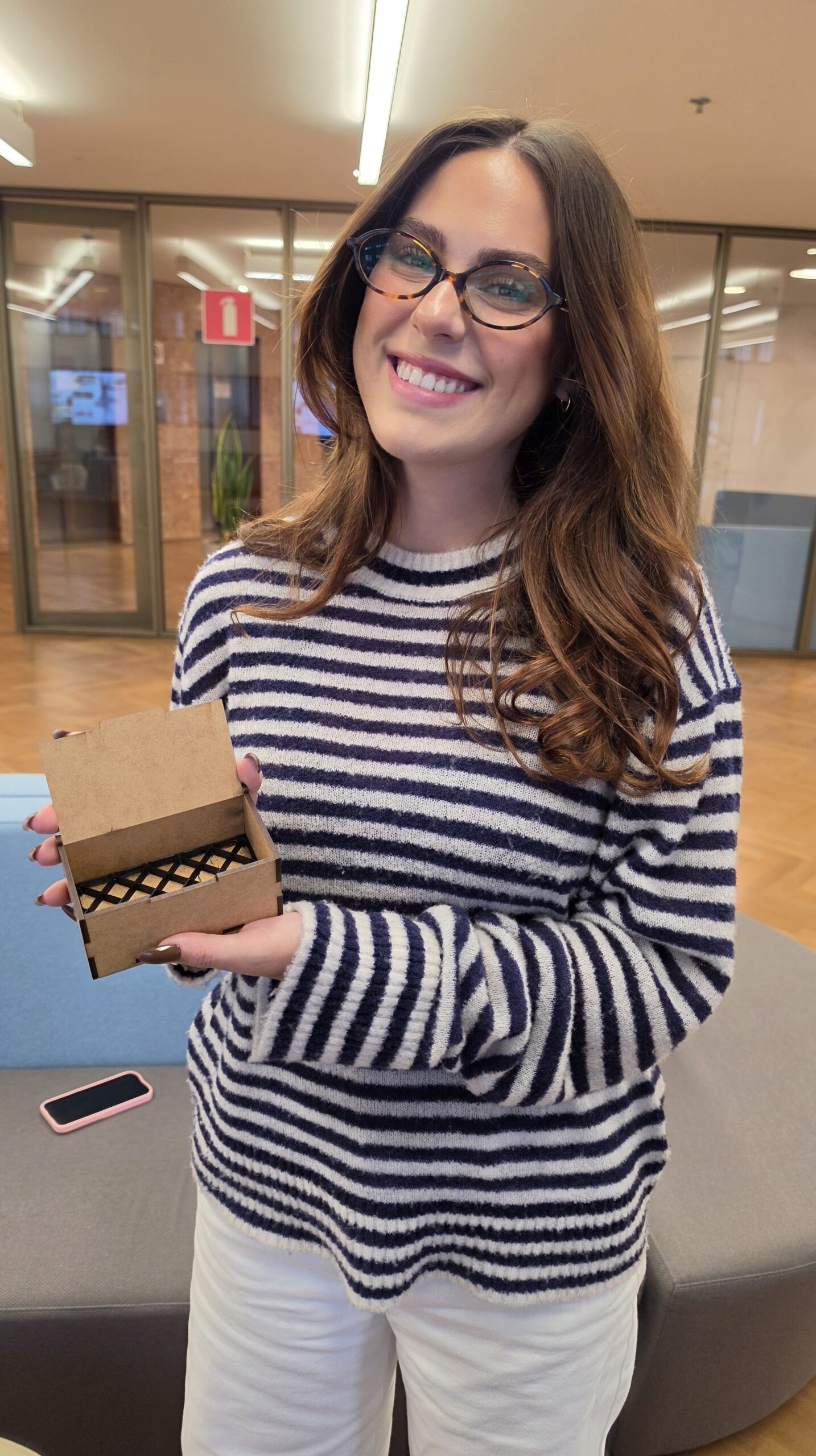
Students created a physical organizer to support medication routines and treatment adherence, especially for families and caregivers. The concept emphasized usability, safety, and clarity in daily use. - Natura – “Refill & Go”
This project focused on an accessory designed to make refill usage easier while reducing leakage and waste. The solution sought to encourage more sustainable consumption practices without adding complexity for the user. - Ambev – “SafeSip”
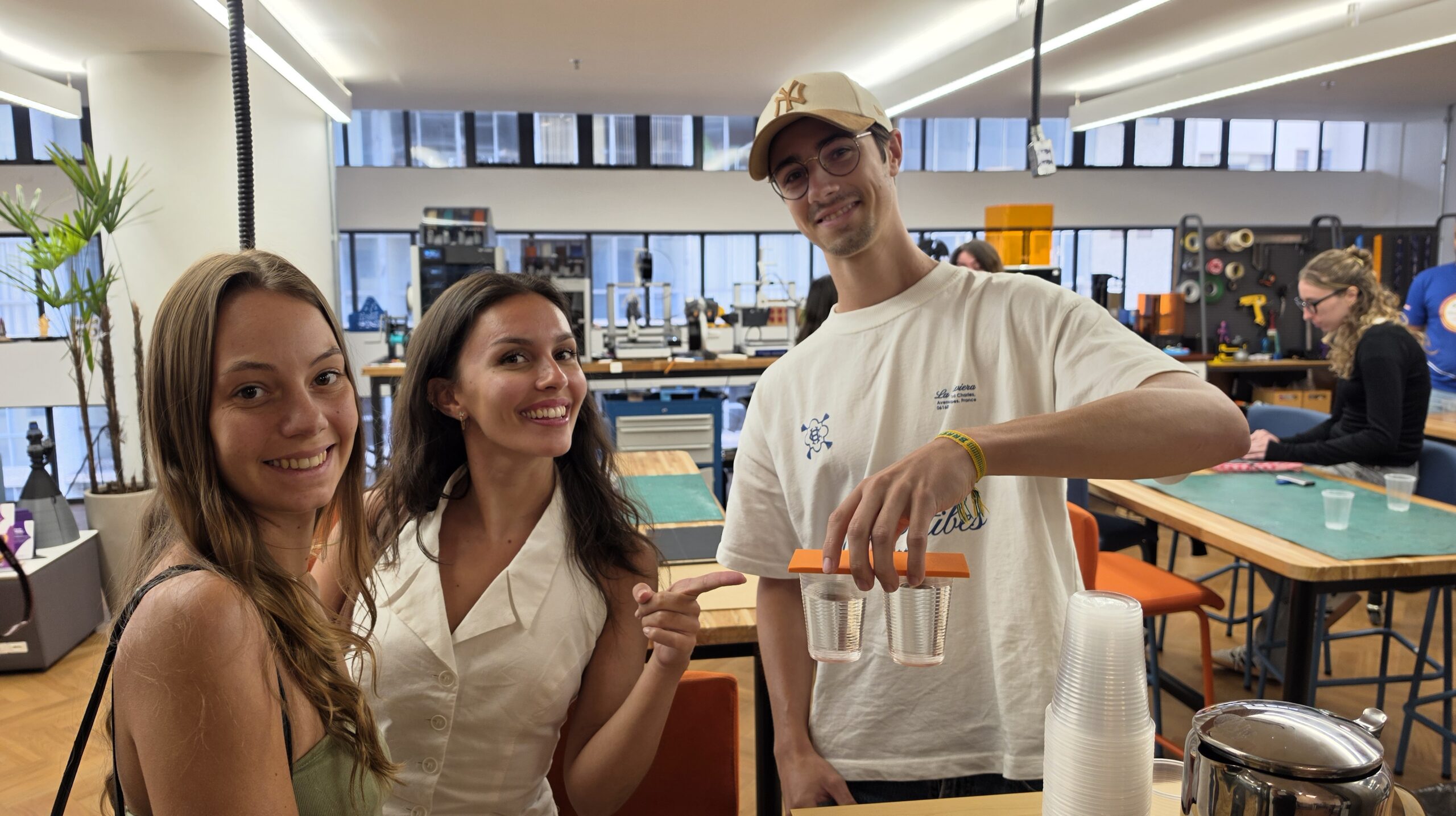
The group developed an accessory for high-traffic environments such as concerts and stadiums, with the goal of reducing spills and improving the transport of drinks. The project addressed user safety, customer experience, and operational efficiency. - IKEA – “SortSmart”
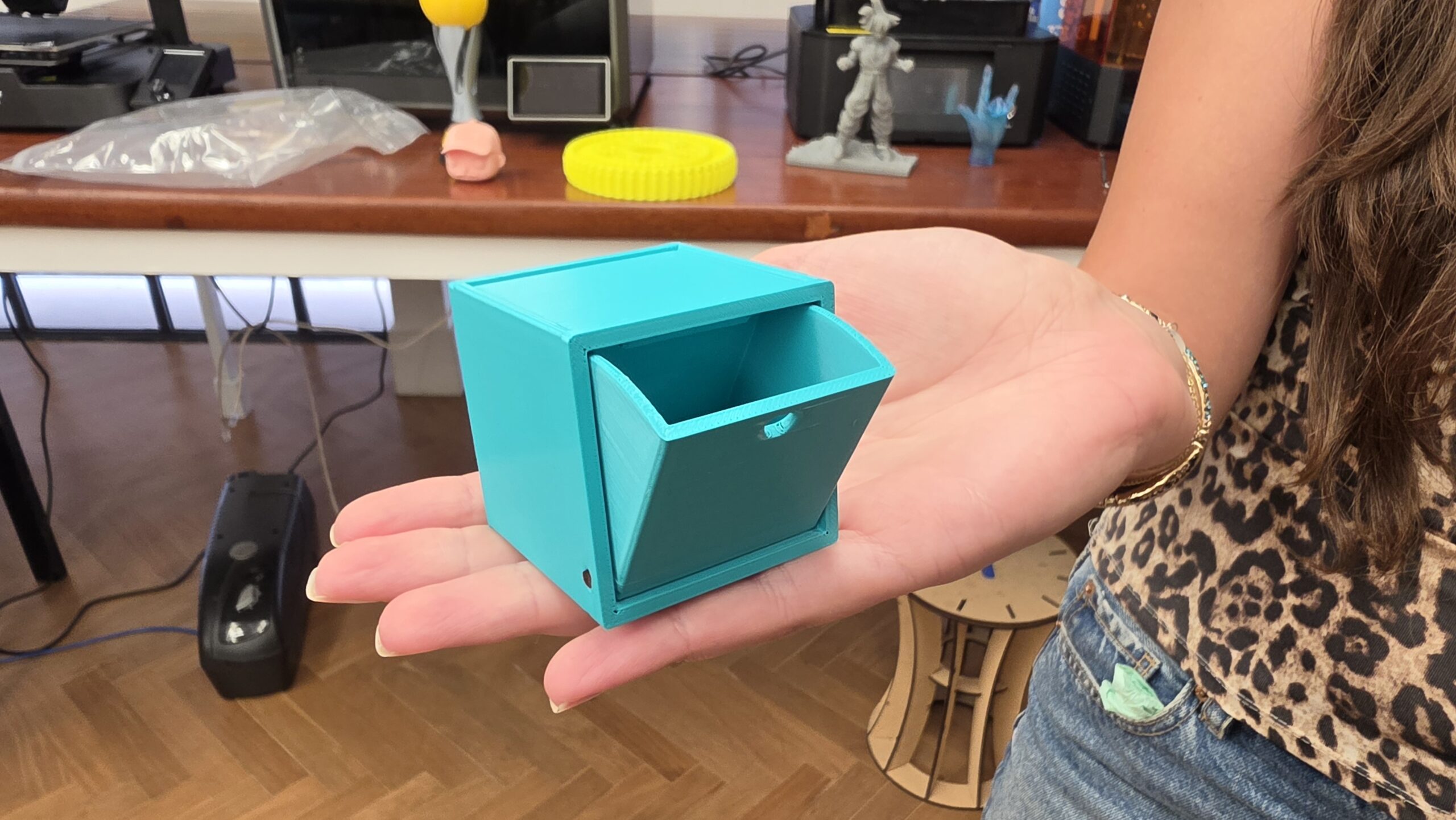
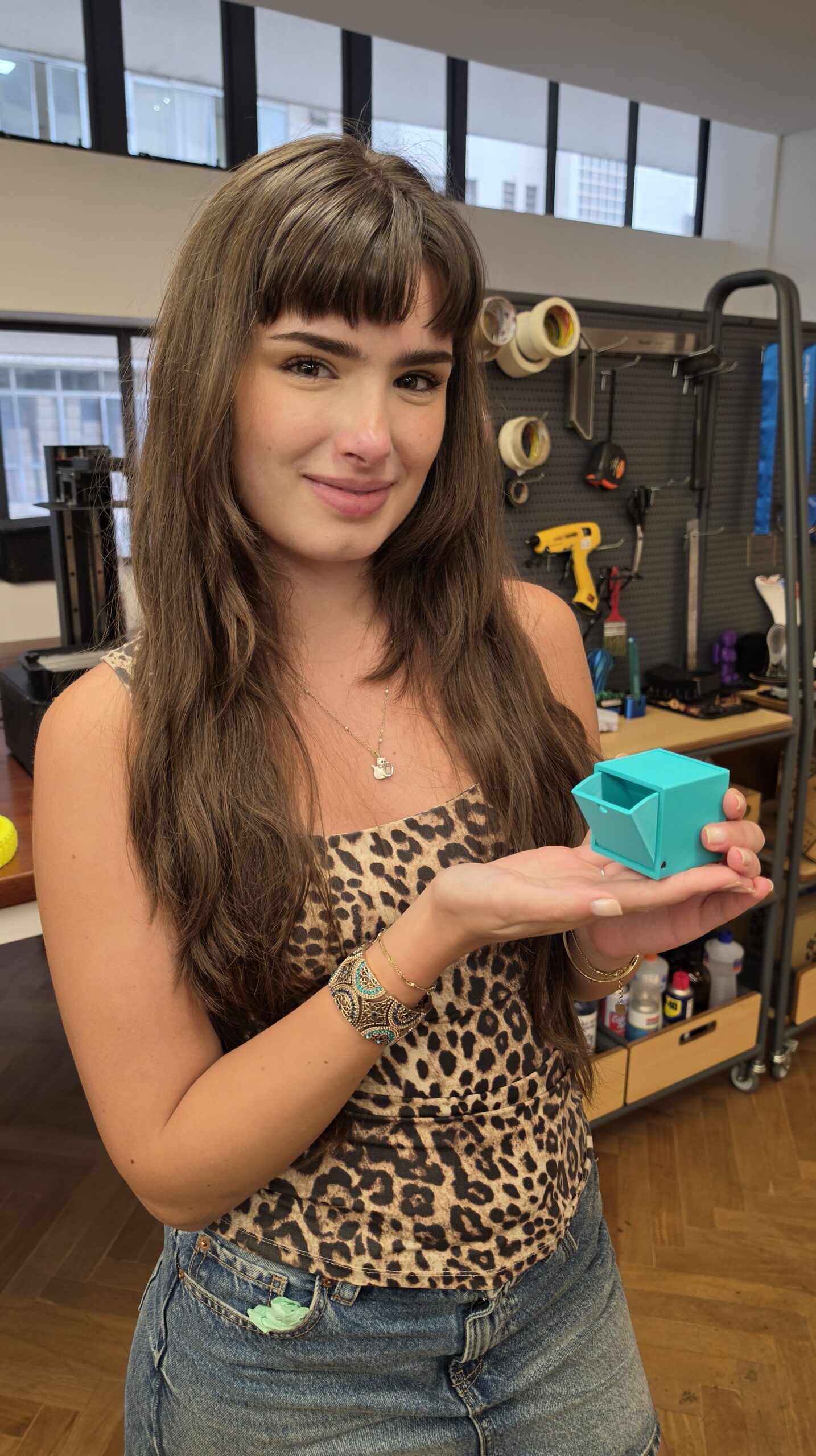
This team designed a compact and modular waste-sorting system for small domestic spaces. The concept emphasized intuitive design, easy cleaning, and greater encouragement of recycling while reducing contamination between materials.
Throughout the four-hour session, students worked collaboratively to adapt their digital models to fabrication processes, test mechanisms and dimensions, and identify improvements for future iterations. The experience also gave them direct exposure to an applied innovation environment, highlighting the strategic role of digital fabrication labs as spaces for rapid validation, practical learning, and project acceleration.
More broadly, the visit reinforced SKEMA’s educational approach of combining academic rigor with real-world application. By engaging with authentic business-inspired challenges and physically building prototypes, students were able to deepen their understanding of product management in a way that is difficult to achieve through theory alone. Experiences like this help prepare future managers and innovators to think more critically, act more creatively, and develop solutions that are both feasible and meaningful.
SKEMA gratefully acknowledges FabLab FIEMG, Luiz Santana Cecília, and the entire technical team for their warm welcome, guidance, and infrastructure, all of which were essential to the success of the activity and the progress of the students’ projects.
This initiative reflects SKEMA’s ongoing commitment to innovation-driven education and to creating learning experiences that connect students with relevant ecosystems for creation, prototyping, and product development.
Comments are closed